

Comhairliúchán Táirge
Ní fhoilseofar do sheoladh ríomhphoist. Tá réimsí riachtanacha marcáilte *
Walk into most bathroom showrooms and you'll hear "reflective glass" and "mirror" used as if they mean the same thing. They don't — and the difference matters more than it sounds.
A mirror is opaque. It starts as clear glass, but a metallic backing is applied to the rear surface, which reflects nearly all the light that hits it and produces a true, undistorted image. Reflective glass, on the other hand, stays transparent. Industry glass manufacturer data on mirror versus reflective coatings confirms that reflective glass carries a thin surface coating rather than a solid metal backing, so it partially reflects light while still allowing a view through the pane — which is exactly why it's the material of choice for building facades that need solar control and daytime privacy, not for bathroom vanities.
For a bathroom project, that distinction settles the question quickly: what you actually want is mirror glass, not architectural reflective glass. Understanding why helps explain the construction choices that follow.
Mirror production starts with a flat sheet of float glass, moved along a conveyor into a washing station where rotating brushes and demineralized water strip away oils and residue. That cleaning stage matters more than it sounds — any contamination left on the surface shows up as a flaw in the reflection once the coating goes on.
From there, the glass passes through a series of coating steps:
That paint seal is the part that determines how long a mirror lasts once it's mounted in a room with fluctuating humidity — which is precisely the environment every bathroom mirror has to survive.
Standard mirrors are engineered for dry, stable rooms. Bathrooms are neither. Hot showers push humidity levels up sharply, and that moisture works its way to the mirror's edges, where the metallic backing is most exposed. Over time this causes desilvering — dark spots and cloudy patches where the reflective layer has corroded and lifted away from the glass.
The fix starts at the manufacturing stage. Copper-free mirror production replaces the traditional copper protective layer with a chemically bonded activator coating, which resists corrosion more effectively in humid conditions than conventional copper-backed mirrors. Sealed edges and properly fitted frames add a second layer of defense, since moisture typically penetrates at the perimeter before it reaches the center of the glass.
None of this is optional for a bathroom-grade product — it's the difference between a mirror that stays clear for a decade and one that starts clouding within a couple of years.
Not every bathroom needs the same mirror, and the type usually comes down to how much function you want built into the reflective surface itself.
| Mirror Type | Key Feature | Best For |
|---|---|---|
| Standard mirror | Simple reflective panel, no integrated features | Budget-conscious or minimalist bathrooms |
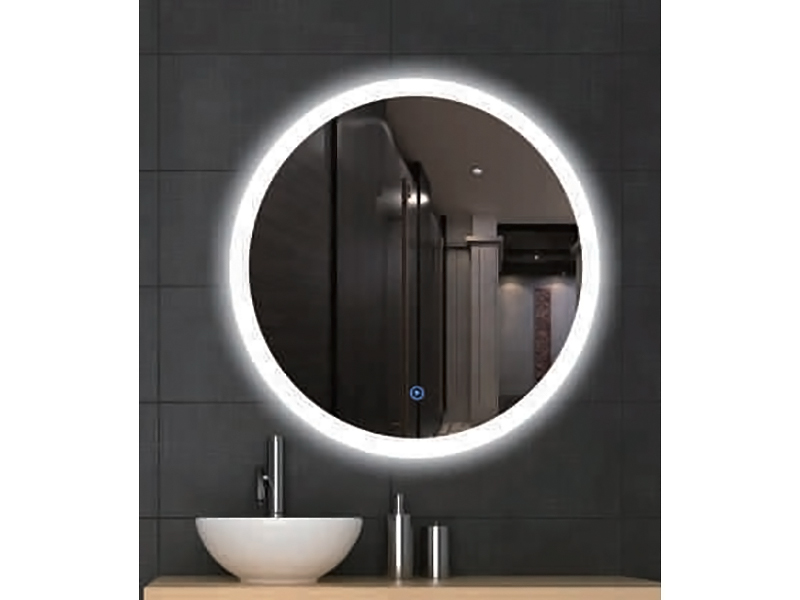
| LED mirror | Built-in lighting, often with anti-fog function | Grooming-focused vanity areas |
| Mirror cabinet | Reflective door combined with concealed storage | Small bathrooms needing extra storage |
A standard bathroom mirror option built for everyday use covers most straightforward installations where budget and simplicity matter more than added features. Where lighting is a priority, LED-integrated bathroom mirrors combining illumination and reflection eliminate the need for separate vanity lighting while improving visibility for daily grooming tasks. And in bathrooms where counter space is limited, mirror cabinets that combine reflective glass with concealed storage solve two problems with a single fixture. For a full overview of what's available, the full range of bathroom mirror products covers all three categories side by side.
A few practical factors separate a mirror that performs well from one that looks fine on day one and fails within a couple of years.
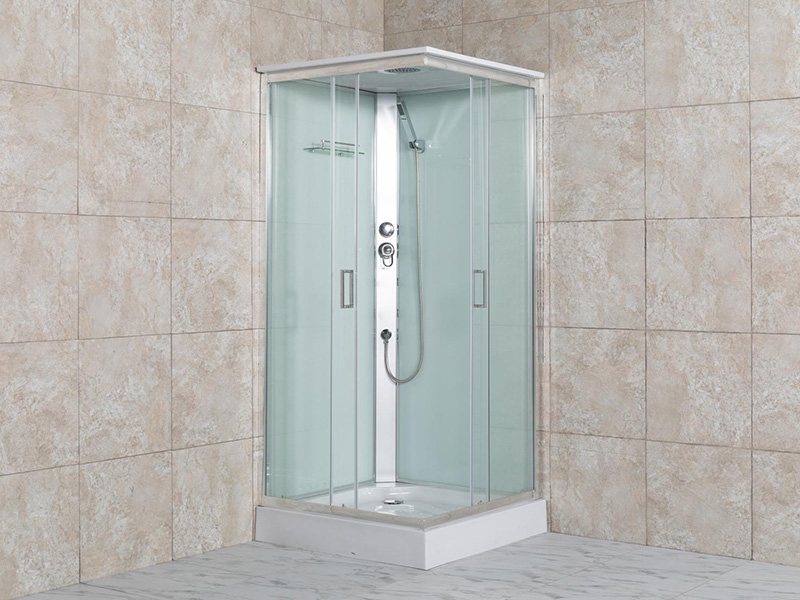
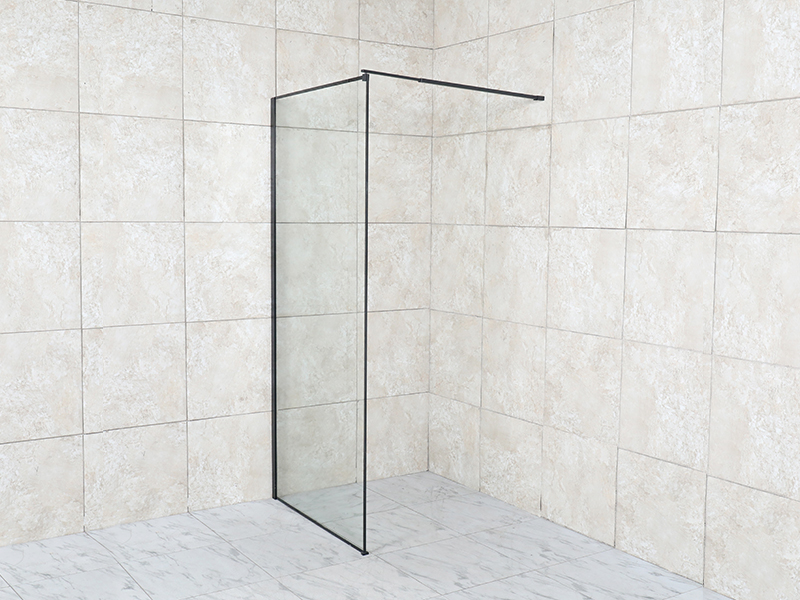
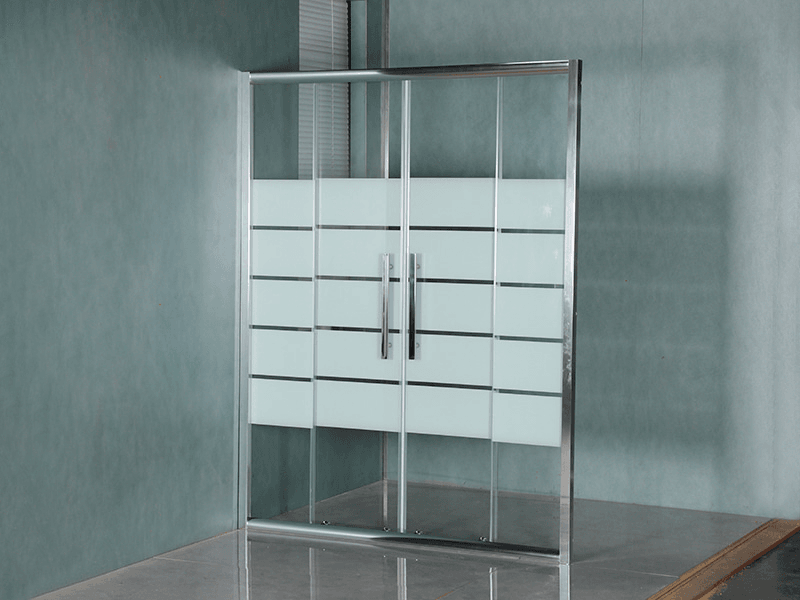
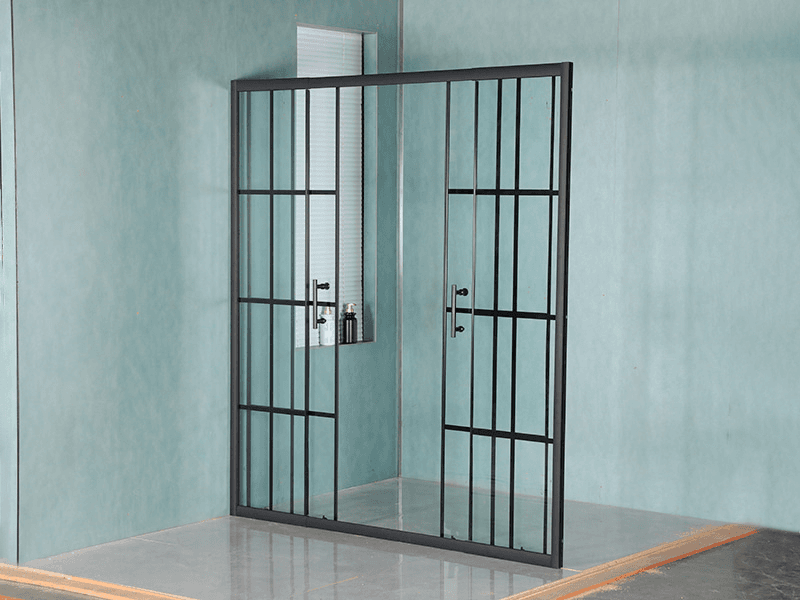
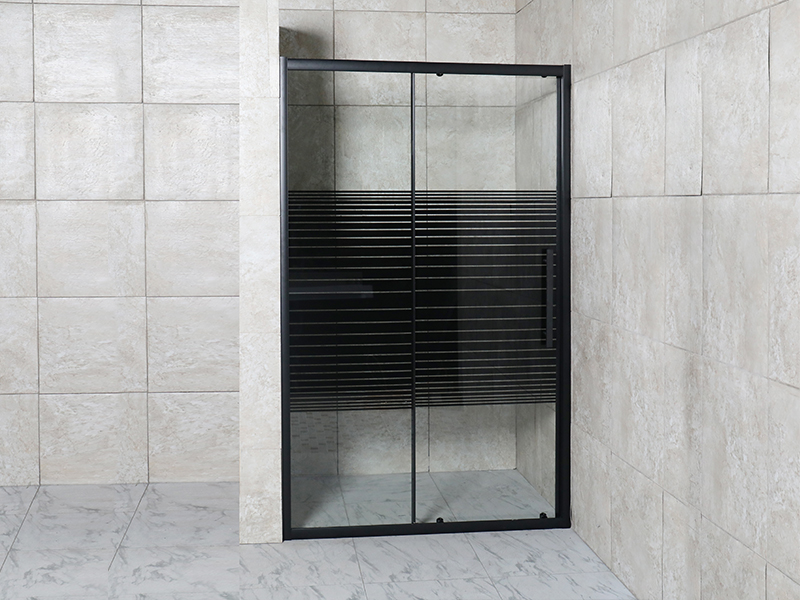
That last point is worth extending beyond the mirror itself. Bathrooms typically combine several types of glass in one space, and it's worth applying the same safety standard across all of them. Tempered glass shower enclosures built to the same safety-glass standards pair naturally with a well-specified mirror, since both fixtures face the same humidity and impact exposure day after day. Treating the mirror as one part of a coordinated glass specification — rather than an isolated purchase — tends to produce a bathroom that holds up better over its full lifespan.
Painéil Cith Cruach Dhosmálta: Treoir Marthanachta, Suiteáil & Cúraim
Scáthán Dearadh Intí: Conas Scátháin a Úsáid chun Aon Seomra a Athrú
Ní fhoilseofar do sheoladh ríomhphoist. Tá réimsí riachtanacha marcáilte *

 Tel: +86 13967167585
 E-mail:
Copyright 2023 Anhui D-MAN Smart Home Co., Ltd. All Rights Reserved Déantóirí Imfhálú Cith Dearadh Seomra Cith Saincheaptha
